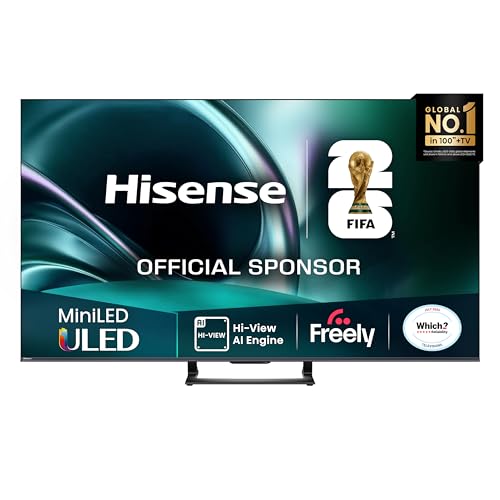
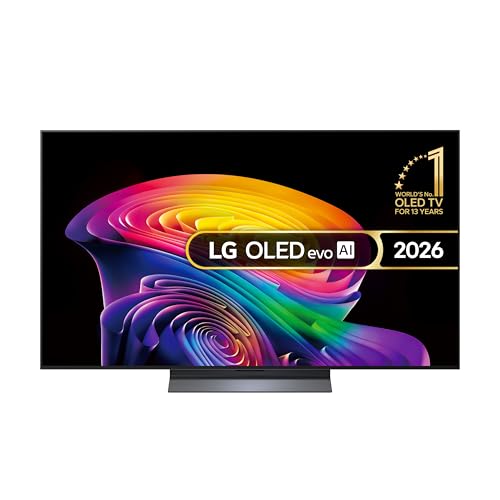
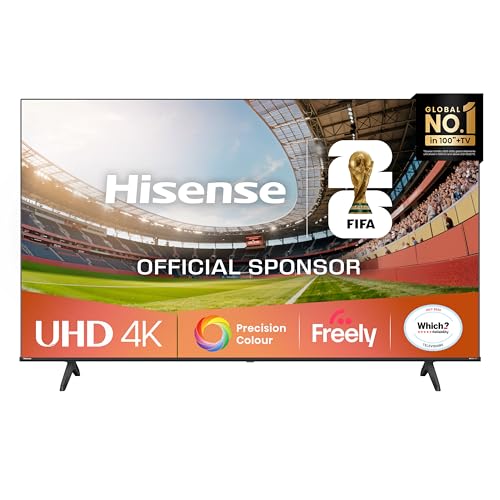
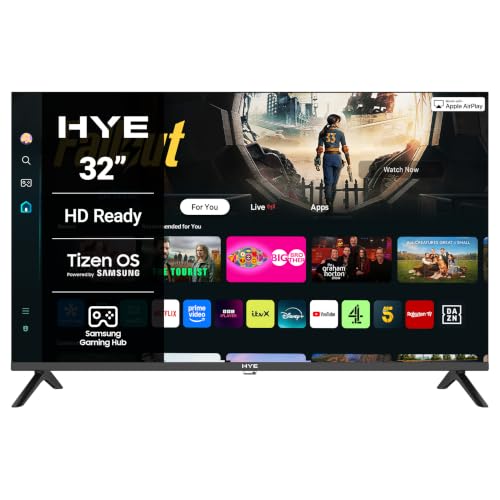
How we review this category
A television should be judged by how it fits movie watching, console gaming, sports and live events, and daily smart TV usability. The review must separate premium OLED and QLED panels, gaming-focused screens with high refresh rates, and budget-friendly smart displays without pretending every TV needs high-end specifications to offer great value.
In Televisions, the verdict shifts most around Picture quality, Gaming readiness, Smart features and sound and Design and connectivity.
What we review in this category
For TVs we review documented evidence around panel quality, HDR and motion, gaming features, smart platform, sound, connectivity, price, and user feedback when useful.
Picture quality
Weight 38%. The core of any TV is its panel performance, where contrast ratios, black levels, peak brightness, and HDR rendering determine the overall viewing enjoyment.
See technical evidence we review
Technical measures
- Panel type, resolution, native refresh rate, brightness/HDR claims, local dimming, Mini LED, OLED/QLED, and image-processing platform.
- HDR formats, contrast technology, viewing angle, and room-brightness fit when documented.
Reading context
- Picture quality is read by use: cinema, bright living room, sports, streaming, or premium OLED/QLED route.
- Panel technology and local dimming matter more than generic 4K wording.
Common cautions
- 4K alone is basic evidence, not premium picture quality.
- HDR claims without brightness, panel, or dimming context are treated carefully.
Gaming readiness
Weight 22%. Modern console gaming requires low input lag, VRR, ALLM, and high refresh rates to deliver smooth, tear-free gameplay without delays.
See technical evidence we review
Technical measures
- Native 120/144 Hz, HDMI 2.1 bandwidth, VRR, ALLM, input-lag evidence, Game Mode, and console/PC compatibility.
- Number of usable high-bandwidth HDMI ports when documented.
Reading context
- Gaming readiness is read as a package, not just refresh rate.
- A strong gaming TV should pair high refresh with HDMI 2.1 and VRR/ALLM-style evidence.
Common cautions
- High refresh alone does not justify a top gaming reading.
- 60 Hz panels or unclear HDMI details limit gaming claims.
Smart features and sound
Weight 20%. A TV serves as the entertainment hub, so the speed of its OS, app availability, and built-in speakers define how convenient it is to use daily.
See technical evidence we review
Technical measures
- Smart OS, app ecosystem, processor/interface clues, audio power, speaker layout, eARC, Dolby Atmos/DTS, and voice control.
- Streaming platform maturity and soundbar integration when stated.
Reading context
- Smart features are read for daily use: apps, updates, responsiveness, voice, casting, and audio setup.
- Built-in sound is interpreted against screen size and likely room use.
Common cautions
- Generic smart TV wording is weak without platform evidence.
- Atmos/eARC labels need port or audio-format context to carry weight.
Design and connectivity
Weight 20%. Mounting, viewing angles, bezel thickness, and port accessibility affect how the TV integrates into a room and connects to external devices.
See technical evidence we review
Technical measures
- Screen size, stand/wall-mount format, HDMI/USB count, tuner/connectivity, Wi-Fi/Bluetooth, depth, weight, and cable-management clues.
- Room fit, viewing distance, and installation constraints.
Reading context
- Design and connectivity decide whether the TV fits the furniture, wall, console, soundbar, and room size.
- A large TV can be strong value while still needing setup caution.
Common cautions
- Port counts without HDMI version are incomplete evidence.
- Very large sizes require stand, weight, and room-fit context.
Editorial judgement still leaves room for incomplete documentation, weak claims, or practical friction that a spec table does not fully capture.
Which buyer routes change the verdict
We do not score every option through one fixed lens: Premium OLED and QLED TVs, Gaming-focused displays, Mid-range lifestyle TVs and Budget entry screens change the priorities, so a strong recommendation for one route can be the wrong fit for another.
Signals that separate strong picks from weak ones
We pay close attention to the visible signals that usually decide the shortlist: Screen size, Panel type, Resolution and Refresh rate.
- Picture quality: The core of any TV is its panel performance, where contrast ratios, black levels, peak brightness, and HDR rendering determine the overall viewing enjoyment.. panel type, contrast and black levels, peak brightness and hdr format support
- Gaming readiness: Modern console gaming requires low input lag, VRR, ALLM, and high refresh rates to deliver smooth, tear-free gameplay without delays.. refresh rate, input lag, hdmi 2.1 support and vrr and allm
- Smart features and sound: A TV serves as the entertainment hub, so the speed of its OS, app availability, and built-in speakers define how convenient it is to use daily.. smart platform, app ecosystem, processor speed and speaker quality
- Design and connectivity: Mounting, viewing angles, bezel thickness, and port accessibility affect how the TV integrates into a room and connects to external devices.. hdmi ports count, viewing angles, stand and thickness and buyer fit
- Poor peak brightness or low contrast in TVs marketed as premium HDR displays.
The usage scenes we keep in view
We read this category through practical usage scenes such as Dark room home cinema and HDR movie watching, Fast-paced console gaming and high refresh gameplay and Bright room daytime watching and wide angle family use. That context shift stops unlike products from being treated as if they solved the same problem.
How to use this page
Use the category listing to narrow the field, then open the reviews that match your route, budget, and setup constraints. A good shortlist here is not the one with the most headline specs, but the one whose trade-offs fit the way the product will actually be used.