17 models analyzed

Best Smartwatches 2026

Reviews and comparisons for Smartwatches, focused on phone ecosystem fit, fitness and health value so you can choose by use case and budget.

Best value

Top 5 best value smartwatches (June 2026)

Compare value smartwatches with updated prices, editorial scores, technical data, and buyer satisfaction before choosing.

Blackview R30Max

Current winner

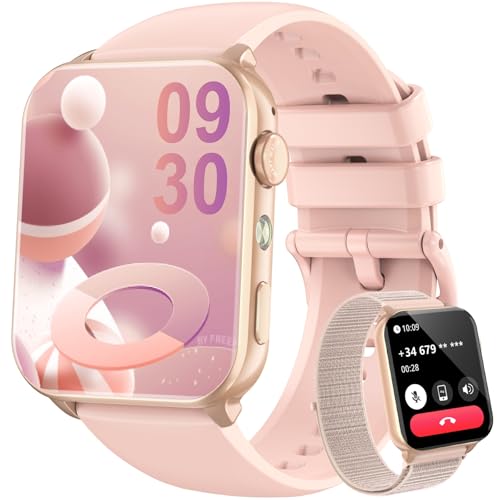
Blackview R30Max 84.7/100 £16.05 Top for Phone ecosystem fit Strong for Battery and charging GPS
Ranking podium
  1. Blackview R30Max 84.7/100
  2. SHANG WING L1B 81.9/100
Full table, criteria, and recommended alternatives Open the full ranking

Recommendations by use case

These shortcuts come from the category's active use cases and stay in sync with each cohort analysis block.

Category data snapshot

Practical snapshot of Smartwatches: current prices, documented specs, and the axes where reviewed products differ most.

Typical current price

£120.00 reference price
range £16.05 - £378.99

Typical range in Fitness and training watch

£138.09 - £165.59 middle range
29% of catalog

Best products by category

What to check before choosing

  • Phone ecosystem fit Compatibility and app support decide whether the watch feels naturally useful with the buyer's phone or merely technically connected.
  • Fitness and health value Sensors only matter when they support believable tracking routes such as workouts, sleep, heart-rate routines, or outdoor use.
  • Battery and charging Charging burden should be weighed against screen quality, app depth, GPS use, and training value, because battery routine is one of the first real smartwatch frictions.
  • Comfort and build Comfort, size, and water resistance shape whether the watch is pleasant to wear for long stretches instead of becoming a feature-heavy object left on a charger.

Top-rated reviewed models

Ranking computed with the editorial score specific to this category.

Browse and filter Smartwatches

Search by text, sort products, and surface the key features that matter most to you.

17 reviews analysed 9 with price 8 out of stock
Price: Any
Brands: Any

None

9 products

SHANG WING L1B
SHANG WING General lifestyle watch

SHANG WING L1B

(465)
£49.99
Water resistant Calling support
Garmin fēnix 7 PRO SOLAR
Garmin Outdoor GPS watch

Garmin fēnix 7 PRO SOLAR

(1688)
£378.99
GPS Long battery claim
Garmin Forerunner 165
Garmin Fitness and training watch

Garmin Forerunner 165

(5997)
£174.99
AMOLED GPS
Apple Watch Series 11 GPS 42mm
Apple General lifestyle watch

Apple Watch Series 11 GPS 42mm

(705)
£299.00
GPS ECG Water resistant
Garmin Forerunner 55
Garmin Fitness and training watch

Garmin Forerunner 55

(11360)
£120.00
GPS Long battery claim
Garmin vívoactive 5
Garmin Fitness and training watch

Garmin vívoactive 5

(10849)
£156.19
AMOLED GPS
My Play Watch Atari 2600
My Play Watch General lifestyle watch

My Play Watch Atari 2600

(249)
£78.99
Water resistant Long battery claim
Blackview R30Max
Blackview Budget basic watch

Blackview R30Max

(7570)
£16.05
GPS Water resistant Calling support

Best brands for smartwatches

We compare 17 published smartwatches models across catalogue depth, editorial score, user average on a 0-10 scale, average price and the axes where each maker stands out.

Models compared 17 models (3 brands)
Best user score Apple (8.8)
Best editorial score Garmin (7.9)
Lowest average price Garmin (£208)
5 models Best score Lowest price Best for Battery
Fitness and health value 9.1/10
Battery and charging 8.4/10
Comfort and build 6.6/10
7.9/10 Average score
8.4/10 Average users
Average price £208

30,425 reviews

View Garmin catalogue

Apple

1 model Best user rating Best for Comfort
Fitness and health value 9.1/10
Comfort and build 7.8/10
Phone ecosystem fit 7.4/10
7.8/10 Average score
8.8/10 Average users
Average price £299

705 reviews

View Apple catalogue

Google

1 model Best for Phone ecosystem fit Best for Fitness
Fitness and health value 9.8/10
Phone ecosystem fit 7.7/10
Comfort and build 6.4/10
7.5/10 Average score
7.5/10 Average users

138 reviews

View Google catalogue

Quick read

Garmin leads editorial average (7.9); Apple stands out with users (8.8); Garmin has the lowest average price (£208).

Compare the best Smartwatches

Quick comparisons

Select 2 products to see the comparison in this section.

Best General lifestyle watch

This section separates General lifestyle watch within Smartwatches using the current category data, visible reviews and price context so the recommendation fits a concrete use case instead of mixing every model together.

  • Real fit Prioritize models classified for this use case, then compare price, availability and editorial score.
  • Dynamic selection The block is hydrated from the current decision pack so the recommendations are not static.

Best Fitness and training watch

This section separates Fitness and training watch within Smartwatches using the current category data, visible reviews and price context so the recommendation fits a concrete use case instead of mixing every model together.

  • Real fit Prioritize models classified for this use case, then compare price, availability and editorial score.
  • Dynamic selection The block is hydrated from the current decision pack so the recommendations are not static.

Best deals right now

What to look for when choosing a smartwatch

Smartwatches split into four clear routes: everyday lifestyle use, fitness and training, outdoor GPS use, and cheap notification-first models. The best choice usually comes down to phone compatibility, believable fitness features, battery routine, and whether the watch is comfortable enough to wear daily.

Use case Prioritise Avoid paying more for
Daily Convenience Phone Compatibility, Clear Notifications, Calling Or Quick Replies, Comfortable Size Extreme Sports Features
Gym And Running Accurate Heart Rate, Built-In GPS, Useful Training Modes, Secure Fit Style-First Extras
Hiking And Travel Long Battery Life, Reliable GPS, Water Resistance, Durable Build App Depth You Will Not Use
Basic Alerts Simple Setup, Readable Screen, Solid Battery Life, Basic Wellness Tracking Premium Materials And Niche Sensors

Daily Convenience

Prioritise Phone Compatibility, Clear Notifications, Calling Or Quick Replies, Comfortable Size
Avoid paying more for Extreme Sports Features

Gym And Running

Prioritise Accurate Heart Rate, Built-In GPS, Useful Training Modes, Secure Fit
Avoid paying more for Style-First Extras

Hiking And Travel

Prioritise Long Battery Life, Reliable GPS, Water Resistance, Durable Build
Avoid paying more for App Depth You Will Not Use

Basic Alerts

Prioritise Simple Setup, Readable Screen, Solid Battery Life, Basic Wellness Tracking
Avoid paying more for Premium Materials And Niche Sensors
DECISION GUIDE

What actually matters

Phone Fit

High

This matters most if you want notifications, calls, replies, apps, and setup to feel seamless rather than limited.

Fitness Value

High

It matters when you want more than step counts, especially for runs, workouts, sleep habits, and heart-rate tracking.

Battery Routine

High

This is crucial if you dislike frequent charging or plan to use GPS, always-on display, or sleep tracking regularly.

Comfort

Medium/High

It matters if you plan to wear the watch all day and night, because size and weight quickly affect real use.

Screen Readability

Medium

This matters more if you check messages outdoors, glance at workouts mid-run, or want fewer taps in daily use.

Water Resistance

Medium/High

It matters if the watch is meant for workouts, swimming, bad weather, or long-term everyday wear.

COMMON MISTAKES

Mistakes to avoid when choosing

Buying For Sensors Alone

A long sensor list means little if the watch does not turn it into useful workout, sleep, or health tracking.

Ignoring Phone Compatibility Limits

Some watches connect to many phones on paper but keep their best convenience features locked or awkward in practice.

Underestimating Charging Friction

A watch that needs frequent charging often ends up off your wrist when you want sleep tracking or weekend use.

Confusing GPS With Outdoor Readiness

GPS alone does not make a watch good for hiking or travel if battery life and durability are weak.

Choosing A Bulky Active Watch

If the case is too large or heavy, comfort drops fast and daily wear becomes the first feature you lose.

How we judge smartwatches

A good smartwatch is not just a spec sheet on your wrist. We look at how useful it feels day to day: whether notifications and calls are actually convenient, whether fitness and health features support believable routines, and whether the battery, comfort and charging routine make the watch easy to live with. We also separate general lifestyle watches, fitness and training watches, outdoor GPS watches and budget basic watches, because the right choice changes depending on what you want the watch to do.

That means we do not treat every model as if it should excel in the same way. A lifestyle watch can be a strong pick because of app support, calling and screen quality, while a training-focused model may win on GPS, heart-rate tracking and battery endurance. A budget watch can still make sense if alerts, steps and simple wellness are the real goal.

What usually matters most

  • Phone ecosystem fit: compatibility with Android or iPhone, app support, calling and notification quality often decide whether a watch feels naturally useful or merely connected on paper.
  • Fitness and health value: heart-rate tracking, sleep features, GPS and workout modes matter when they support a clear use case such as runs, walks, gym sessions or general health habits.
  • Battery and charging: we weigh battery life against screen quality, always-on display use, apps and GPS demands, because charging burden is one of the first smartwatch frustrations buyers notice.
  • Comfort and build: case size, weight, water resistance and durability affect whether the watch is pleasant to wear all day, overnight and during exercise.

How we read the trade-offs in real use

On this page, the most important smartwatch claims are translated into practical wrist-based usefulness. A bright AMOLED display may improve readability and make notifications nicer to use, but if it leads to daily charging without strong app or call benefits, that trade-off matters. Long battery life sounds great too, but it means more when paired with reliable GPS, solid heart-rate tracking or genuine outdoor usefulness.

We also keep an eye on friction points that can change a recommendation quickly: weak phone compatibility in a watch sold around convenience features, vague health claims without clear sensor support, bulky cases in supposedly active watches, or poor water resistance in products aimed at workouts or outdoor use.

A practical usage lens

We consider how a watch performs across three common scenarios. First, daily convenience: notifications, quick replies, calls and screen readability, with battery life kept in view. Second, workouts and health habits: walks, runs, gym sessions, heart-rate use, sleep tracking and whether GPS or training modes feel serious or casual. Third, time away from the charger: travel, outdoor use and long weekends, where endurance, water resistance and GPS practicality matter more than headline smart features.

What tends to decide the shortlist

The specs that usually separate strong options from weak ones are the screen type, battery life, compatibility and heart-rate tracking, with GPS becoming especially important for training and outdoor buyers. In comparisons, details such as water resistance, calling support and case size often explain why two watches with similar prices suit very different people.

Price matters too, but within the right route. A cheaper watch can be the better buy if you mainly want alerts and basic wellness. Paying more makes more sense when you are getting stronger ecosystem support, better fitness tracking, more dependable GPS or a battery life that genuinely changes how often you need to charge.

How to use this page

Use the listings and filters to start with your route. Pick a general lifestyle smartwatch if notifications, calls, style and everyday convenience matter most. Choose a fitness and training watch if workouts, heart-rate use and training modes are central. Go for an outdoor GPS watch if battery endurance, GPS and durability lead the decision. Consider a budget basic watch if low-cost alerts and simple wellness are the main value story.

If a model looks tempting, check whether its strengths match your route rather than just its headline features. That is usually the difference between a smartwatch that becomes part of your routine and one that ends up on the charger more than on your wrist.

What we review in this category

For smartwatches we review documented evidence around phone ecosystem, health and sport sensors, battery, charging, comfort, build, price, and user feedback when useful.

Phone ecosystem fit

Weight 25%. Compatibility and app support decide whether the watch feels naturally useful with the buyer's phone or merely technically connected.

See technical evidence we review

Technical measures

  • Documented values for iOS/Android compatibility, app ecosystem, GPS, HR, SpO2, ECG where stated, sport modes, water rating, battery days, charging, case size, strap, weight and materials.
  • Compatibility limits, included parts, adjustment range, operating modes, upkeep, and ownership friction.

Reading context

  • The same spec is read with room, body fit, ecosystem, usage route, and practical setup constraints.

Common cautions

  • Generic claims are treated cautiously without units, compatibility, or documented behavior.

Fitness and health value

Weight 30%. Sensors only matter when they support believable tracking routes such as workouts, sleep, heart-rate routines, or outdoor use.

See technical evidence we review

Technical measures

  • Documented values for iOS/Android compatibility, app ecosystem, GPS, HR, SpO2, ECG where stated, sport modes, water rating, battery days, charging, case size, strap, weight and materials.
  • Compatibility limits, included parts, adjustment range, operating modes, upkeep, and ownership friction.

Reading context

  • The same spec is read with room, body fit, ecosystem, usage route, and practical setup constraints.

Common cautions

  • Generic claims are treated cautiously without units, compatibility, or documented behavior.

Battery and charging

Weight 25%. Charging burden should be weighed against screen quality, app depth, GPS use, and training value, because battery routine is one of the first real smartwatch frictions.

See technical evidence we review

Technical measures

  • Documented values for iOS/Android compatibility, app ecosystem, GPS, HR, SpO2, ECG where stated, sport modes, water rating, battery days, charging, case size, strap, weight and materials.
  • Compatibility limits, included parts, adjustment range, operating modes, upkeep, and ownership friction.

Reading context

  • The same spec is read with room, body fit, ecosystem, usage route, and practical setup constraints.

Common cautions

  • Generic claims are treated cautiously without units, compatibility, or documented behavior.

Comfort and build

Weight 20%. Comfort, size, and water resistance shape whether the watch is pleasant to wear for long stretches instead of becoming a feature-heavy object left on a charger.

See technical evidence we review

Technical measures

  • Documented values for iOS/Android compatibility, app ecosystem, GPS, HR, SpO2, ECG where stated, sport modes, water rating, battery days, charging, case size, strap, weight and materials.
  • Compatibility limits, included parts, adjustment range, operating modes, upkeep, and ownership friction.

Reading context

  • The same spec is read with room, body fit, ecosystem, usage route, and practical setup constraints.

Common cautions

  • Generic claims are treated cautiously without units, compatibility, or documented behavior.

Editorial judgement still leaves room for incomplete documentation, weak claims, or practical friction that a spec table does not fully capture.

Smartwatch FAQs

Which smartwatch is best for my phone?

The best choice depends on ecosystem fit. Watches that are tightly supported by your phone’s operating system usually give smoother notifications, quicker replies, and fewer setup issues, while weaker compatibility can make a smartwatch feel limited even if the hardware is good.

How long should a smartwatch battery last?

It depends on the category and how you use it. Always-on displays, frequent notifications, GPS tracking, and calls all reduce battery life, so a watch that looks strong on paper may still need charging every day or two in real use.

Are smartwatch health and fitness features accurate enough?

They are useful for trends such as heart rate, step counts, sleep patterns, and workout tracking, but they are not medical devices unless explicitly stated. GPS and heart-rate data are most helpful when the watch has a clear training focus and the app support matches that promise.

Do I need GPS in a smartwatch?

You need GPS if you want reliable outdoor route tracking for runs, walks, rides, or travel without depending on your phone. If you mainly want notifications, timekeeping, and basic wellness metrics, GPS is less important and may just add cost and battery drain.

Is water resistance important on a smartwatch?

Yes, especially if you plan to wear it all day, exercise with it, or use it in wet conditions. Water resistance improves everyday practicality, but it should still be checked against the intended use because it does not automatically mean the watch is suitable for swimming or deep water.

When should I choose a budget smartwatch instead?

Choose a budget model if your main needs are alerts, simple wellness tracking, and basic convenience at a lower cost. Skip it if you expect deep app support, strong phone integration, advanced training features, or long battery life under heavier use.

Brands