Best value

Top 5 best value tablets (June 2026)

Compare value tablets with updated prices, editorial scores, technical data, and buyer satisfaction before choosing.

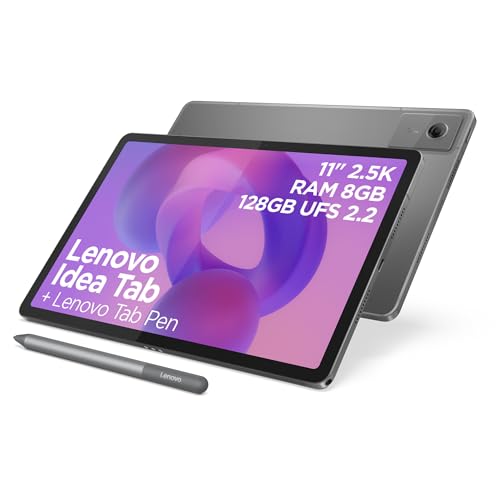
Lenovo Idea Tab 11" 2.5K (2025)

Current winner

Lenovo Idea Tab 11" 2.5K (2025) 85.5/100 £148.00 Top for Screen and format Strong for Productivity and shared use Stylus support
Ranking podium
  1. TABWEE T90 84.8/100
  2. Lenovo Tab Plus 84.6/100
Full table, criteria, and recommended alternatives Open the full ranking

Recommendations by use case

These shortcuts come from the category's active use cases and stay in sync with each cohort analysis block.

Category data snapshot

Practical snapshot of Tablets: current prices, documented specs, and the axes where reviewed products differ most.

Typical current price

£91.99 reference price
range £39.99 - £697.99

Typical range in General media tablet

£79.99 - £146.00 middle range
45% of catalog

RAM with strongest coverage

10 GB typical value
appears in 100%

Best products by category

What to check before choosing

  • Screen and format Tablet comfort starts with screen format, because reading, browsing, streaming, and split-screen use live or die by size, aspect ratio, and overall hand feel.
  • Daily fluidity A tablet should feel smooth across app switching, reading, and casual multitasking, otherwise the value story collapses quickly outside passive streaming.
  • Battery and charging A tablet is often used for long sessions away from a desk, so endurance, charging pace, and weight need to make sense together.
  • Productivity and shared use Stylus, keyboard, speakers, storage, family controls, and app ecosystem decide whether the tablet fits study, household sharing, or light work instead of being only a passive media screen.

Browse and filter Tablets

Search by text, sort products, and surface the key features that matter most to you.

42 reviews analysed 30 with price 12 out of stock
Price: Any
Brands: Any

None

30 products

Lenovo Idea Tab 11" 2.5K (2025)
Lenovo Productivity tablet

Lenovo Idea Tab 11" 2.5K

(127)
£148.00
Stylus support High refresh Expandable storage
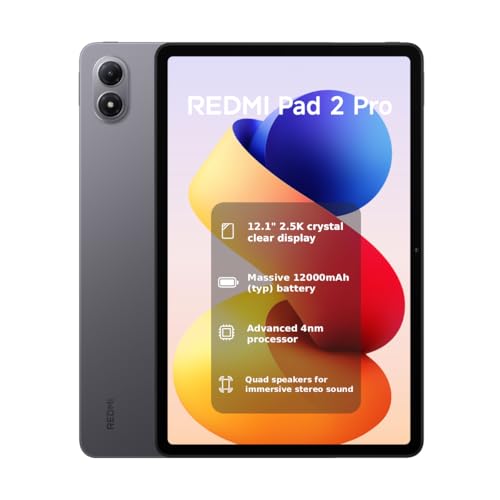
XIAOMI Pad 8 Pro
XIAOMI General media tablet

XIAOMI Pad 8 Pro

(127)
£429.00
High refresh
Lenovo Tab Plus
Lenovo General media tablet

Lenovo Tab Plus

(354)
£192.00
TABWEE T90
TABWEE General media tablet

TABWEE T90

(324)
£142.99
TABWEE T50
TABWEE Large-screen value tablet

TABWEE T50

(358)
£133.56
High refresh
Amazon Fire HD 10 Kids Pro
Amazon Kids and family tablet

Amazon Fire HD 10 Kids Pro

(2184)
£216.98
Stylus support Expandable storage
MUISOO KB10L
MUISOO Kids and family tablet

MUISOO KB10L

(32)
£76.99
Keyboard support Stylus support Expandable storage
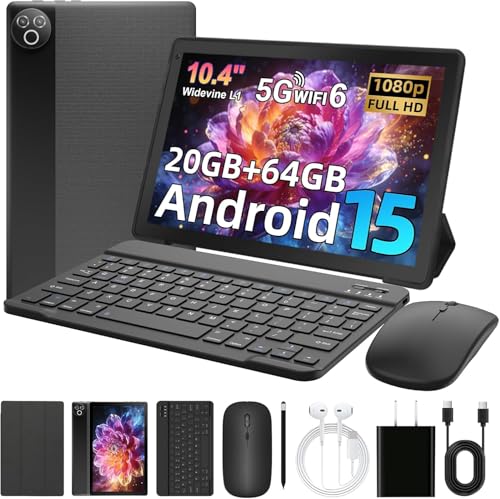
MUISOO Android 15 Tablet 10.4 inch
MUISOO Productivity tablet

MUISOO Android 15 Tablet 10.4 inch

(82)
£71.99
Stylus support Keyboard support Expandable storage
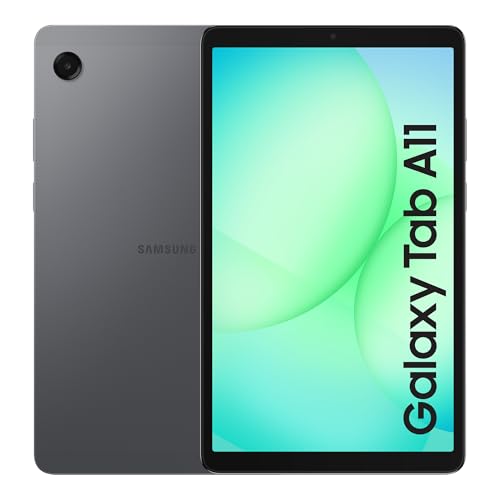
Samsung Galaxy Tab A9
Samsung Large-screen value tablet

Samsung Galaxy Tab A9

(2082)
£191.75
Expandable storage
TABWEE T60 Pro
TABWEE Productivity tablet

TABWEE T60 Pro

(334)
£363.99
Stylus support Keyboard support High refresh
Gleeso C10
Gleeso General media tablet

Gleeso C10

(31)
£63.99
Expandable storage
Samsung Galaxy Tab S9 WiFi
Samsung Productivity tablet

Samsung Galaxy Tab S9 WiFi

(95)
£697.99
Stylus support OLED High refresh

Best brands for tablets

We compare 42 published tablets models across catalogue depth, editorial score, user average on a 0-10 scale, average price and the axes where each maker stands out.

Models compared 42 models (4 brands)
Best user score Amazon (8.6)
Best editorial score XIAOMI (8.2)
Lowest average price Lenovo (£160)
4 models
Screen and format 8.0/10
Productivity and shared use 7.4/10
Daily fluidity 7.2/10
7.6/10 Average score
8.2/10 Average users
Average price £372

2,901 reviews

View Samsung catalogue
3 models Lowest price
Productivity and shared use 7.8/10
Screen and format 7.6/10
Daily fluidity 7.5/10
7.6/10 Average score
7.8/10 Average users
Average price £160

614 reviews

View Lenovo catalogue

Amazon

3 models Best user rating
Productivity and shared use 7.2/10
Battery and charging 7.0/10
Screen and format 6.4/10
7.0/10 Average score
8.6/10 Average users
Average price £217

8,335 reviews

View Amazon catalogue
2 models Best score Best for Battery Best for Daily fluidity Best for Productivity
Screen and format 9.2/10
Daily fluidity 8.7/10
Productivity and shared use 8.2/10
8.2/10 Average score
7.4/10 Average users
Average price £349

160 reviews

View XIAOMI catalogue

Quick read

XIAOMI leads editorial average (8.2); Amazon stands out with users (8.6); Lenovo has the lowest average price (£160).

Best for a specific profile for kids tablets

Top 5 best tablets for kids tablets (June 2026)

Compare tablets for kids tablets with updated prices, editorial scores, technical data, and buyer satisfaction before choosing.

Amazon Fire HD 10 Kids Pro

Current winner

Amazon Fire HD 10 Kids Pro 7.3/10 £216.98 Stylus support Expandable storage
Ranking podium
  1. Ainmel KB08BU 6.9/10
  2. Ainmel 707 6.3/10
Full table, criteria, and recommended alternatives Open the full ranking

Best picks by budget

Premium

Mid range

Budget

Compare the best Tablets

Quick comparisons

Select 2 products to see the comparison in this section.

Best General media tablet

This section separates General media tablet within Tablets using the current category data, visible reviews and price context so the recommendation fits a concrete use case instead of mixing every model together.

  • Real fit Prioritize models classified for this use case, then compare price, availability and editorial score.
  • Dynamic selection The block is hydrated from the current decision pack so the recommendations are not static.

Best Large-screen value tablet

This section separates Large-screen value tablet within Tablets using the current category data, visible reviews and price context so the recommendation fits a concrete use case instead of mixing every model together.

  • Real fit Prioritize models classified for this use case, then compare price, availability and editorial score.
  • Dynamic selection The block is hydrated from the current decision pack so the recommendations are not static.

Best Productivity tablet

This section separates Productivity tablet within Tablets using the current category data, visible reviews and price context so the recommendation fits a concrete use case instead of mixing every model together.

  • Real fit Prioritize models classified for this use case, then compare price, availability and editorial score.
  • Dynamic selection The block is hydrated from the current decision pack so the recommendations are not static.

Best Kids and family tablet

This section separates Kids and family tablet within Tablets using the current category data, visible reviews and price context so the recommendation fits a concrete use case instead of mixing every model together.

  • Real fit Prioritize models classified for this use case, then compare price, availability and editorial score.
  • Dynamic selection The block is hydrated from the current decision pack so the recommendations are not static.

Tablets below their usual price

We monitor the market continuously and found these Tablets models below their usual price.

Updated: 2026-06-28 00:59 UTC

Best deals right now

What to look for when choosing a tablet

The right tablet depends more on use case than headline specs. Start by deciding whether you want a comfortable media device, a study and note-taking tool, a family tablet, or a big-screen value option, then check whether the screen, weight, battery and accessory support actually fit that job.

Use case Prioritise Avoid paying more for
Sofa Streaming Comfortable screen size, Low weight, Solid battery life Keyboard-focused extras
Study And Notes Confirmed stylus support, Enough RAM and storage, Credible multitasking Vague laptop-replacement claims
Family Sharing Simple controls, Storage headroom, Practical durability signals Power you will not use
Big Screen At Home Large display, Acceptable weight, Smooth everyday performance Thin productivity marketing
Light Admin Work Keyboard support, Stable software, Sensible charging and portability Oversized heavy designs

Sofa Streaming

Prioritise Comfortable screen size, Low weight, Solid battery life
Avoid paying more for Keyboard-focused extras

Study And Notes

Prioritise Confirmed stylus support, Enough RAM and storage, Credible multitasking
Avoid paying more for Vague laptop-replacement claims

Family Sharing

Prioritise Simple controls, Storage headroom, Practical durability signals
Avoid paying more for Power you will not use

Big Screen At Home

Prioritise Large display, Acceptable weight, Smooth everyday performance
Avoid paying more for Thin productivity marketing

Light Admin Work

Prioritise Keyboard support, Stable software, Sensible charging and portability
Avoid paying more for Oversized heavy designs
DECISION MATRIX

What actually matters most

Screen Format

High

It matters most if you read, browse and stream for long stretches, because size, aspect ratio and hand feel decide comfort more than raw resolution alone.

Weight

High

It matters if you will hold the tablet on the sofa, in bed or on the commute, where a heavy large screen quickly becomes tiring.

Everyday Smoothness

High

It matters if you switch between apps, browse with many tabs or use split-screen, because weak chipset, RAM or storage balance makes a tablet feel slow fast.

Battery And Charging

Medium/High

It matters if you use the tablet away from a desk, since long runtime is less useful when charging is slow and the device is not portable enough to match.

Stylus Support

Medium/High

It matters for study, annotation and handwriting, but only when support is clearly confirmed rather than implied by marketing language.

Keyboard Support

Medium/High

It matters for email, documents and schoolwork, but only if the keyboard option is real, practical and backed by software that can handle light productivity.

Speakers And Storage

Medium

It matters more in shared household and media use, where clear sound and enough local space often improve daily use more than extra peak performance.

COMMON MISTAKES

Mistakes that lead to the wrong tablet

Assuming Every Tablet Can Replace A Laptop

A keyboard mention alone does not make multitasking, file handling and long work sessions genuinely comfortable.

Buying A Large Screen Without Checking Weight

A bigger display sounds better for films and split-screen, but a heavy tablet is much less pleasant to hold and carry.

Ignoring RAM And Storage On Study Models

Low memory or cramped storage hurts app switching, note-taking and long-term usability faster than many buyers expect.

Treating Stylus Claims As Proof

If support details are unclear, you may end up paying extra for a feature that is limited, optional or not well integrated.

Choosing Family Use On Performance Alone

For shared use, simple controls, storage and practical robustness usually matter more than benchmark-style speed.

Overvaluing Resolution While Ignoring Format

A sharp panel helps, but screen shape and overall size often have a bigger effect on reading, browsing and video comfort.

How we judge tablets on this page

A good tablet is not judged by raw specs alone. We look at how well it fits the job buyers actually want it to do: reading on the sofa, streaming on the move, note-taking in class, casual family use, or light productivity. That means we separate general media tablets, productivity tablets, kids and family tablets, and large-screen value tablets rather than treating every model as if it should replace a laptop.

The biggest factors are usually screen size and format, weight, battery life, charging, app support, and whether accessories are genuinely useful. A bright, sharp panel and comfortable hand feel can matter more for everyday satisfaction than headline performance, while stylus or keyboard support only counts for more when it is clearly backed up by software, multitasking, and sensible portability.

What we review in this category

For tablets we review documented evidence around screen quality, daily fluidity, battery routine, accessories, shared use, price, and user feedback when the sample is useful.

Screen and format

Weight 28%. Tablet comfort starts with screen format, because reading, browsing, streaming, and split-screen use live or die by size, aspect ratio, and overall hand feel.

See technical evidence we review

Technical measures

  • Screen size, resolution, panel type, refresh rate, brightness, aspect ratio, weight, and speakers.
  • OLED/high-refresh evidence, reading comfort, streaming format, and split-screen fit.

Reading context

  • A tablet screen is read by use: media, reading, study, family use, drawing, or light work.
  • Large screens need enough resolution and reasonable weight to stay comfortable.

Common cautions

  • Large diagonal alone is not treated as premium display quality.
  • High refresh or OLED claims require explicit evidence.

Daily fluidity

Weight 24%. A tablet should feel smooth across app switching, reading, and casual multitasking, otherwise the value story collapses quickly outside passive streaming.

See technical evidence we review

Technical measures

  • Chipset/SoC, RAM, storage, OS version, update context, and app multitasking evidence.
  • Platform class is read alongside memory, not replaced by memory.

Reading context

  • Fluidity depends on browsing, streaming, notes, split screen, kids apps, and casual games.
  • Productivity claims require stronger platform and memory evidence than media use.

Common cautions

  • RAM or storage alone does not make a weak tablet fast.
  • Unknown platforms and vague OS support limit confidence.

Battery and charging

Weight 20%. A tablet is often used for long sessions away from a desk, so endurance, charging pace, and weight need to make sense together.

See technical evidence we review

Technical measures

  • Battery mAh/Wh, runtime claims, charging watts, charger format, weight, screen size, and connectivity.
  • Efficiency context from SoC, display resolution, and refresh rate.

Reading context

  • Battery is read as session length: sofa streaming, study day, travel, or shared family use.
  • Charging speed matters more on large batteries and productivity routes.

Common cautions

  • mAh alone is not enough for autonomy leadership.
  • Heavy tablets with slow charging need a cautious reading.

Productivity and shared use

Weight 28%. Stylus, keyboard, speakers, storage, family controls, and app ecosystem decide whether the tablet fits study, household sharing, or light work instead of being only a passive media screen.

See technical evidence we review

Technical measures

  • Stylus support, keyboard support, pen latency clues, speakers, storage, connectivity, parental controls, and account sharing.
  • Accessory inclusion is separated from accessory compatibility.

Reading context

  • Productivity means a real tablet workflow, not just a keyboard shown in a listing.
  • Family use values durability, controls, speakers, and storage headroom.

Common cautions

  • Accessory bundles do not compensate for weak platform or screen evidence.
  • Stylus or keyboard claims require explicit support and, when possible, included/accessory status.

Editorial judgement still leaves room for incomplete documentation, weak claims, or practical friction that a spec table does not fully capture.

What tends to separate a good tablet from a weak one

Screen comfort and daily fluidity

For tablets, the screen is the experience. We pay close attention to screen size, resolution, panel type, refresh rate, and overall weight because reading, browsing, streaming, and split-screen use all depend on comfort. A larger display can be great for films or casual home use, but it needs to make sense with the tablet’s weight and portability.

We also look at whether the tablet feels smooth in normal use, not just in ideal conditions. The shortlist is often shaped by chipset, RAM, storage, and software support, because weak memory or cramped storage can quickly undermine a tablet sold for multitasking, study, or family sharing.

Battery, charging, and accessories

Battery life matters because tablets are often used away from a desk for long sessions. We weigh endurance alongside charging speed and physical size, since a tablet that lasts well but is slow to top up or awkward to carry may still be the wrong fit.

Accessories are judged carefully. Stylus and keyboard support can add real value for study and light work, but we do not treat accessory mentions as automatic proof of laptop-style usefulness. Clear support details, sensible software features, and realistic multitasking matter far more than marketing language.

How the route changes the recommendation

General media tablets are judged mainly on display quality, speakers, battery life, comfort, and app ecosystem. If your use is mostly streaming, browsing, reading, and casual apps, this route usually matters more than productivity claims.

Productivity and study tablets are judged more heavily on stylus support, keyboard support, multitasking credibility, software longevity, and whether the hardware is still practical to carry every day. This is where low RAM, unclear accessory support, or oversized designs can become deal-breakers.

Kids and family tablets are judged differently again. Here, shared-use simplicity, family controls, durability signals, storage, and physical comfort can matter more than benchmark-style performance. A family tablet with weak controls or little evidence of robustness is harder to recommend, even if the core hardware looks decent on paper.

Large-screen value tablets are mainly about affordable screen area for casual home use. We judge them on whether the bigger display improves films, browsing, and light shared use without becoming too heavy or too sluggish to enjoy.

Practical use: where tablets prove themselves

One of the clearest ways to compare tablets is to imagine the setting. For streaming, reading, browsing, and sofa use, the key questions are simple: is the screen comfortable, are the speakers good enough, is the battery reliable, and does the weight still feel manageable after an hour or two?

For study, note-taking, and light productivity, we focus on whether handwriting feels properly supported, whether a keyboard is available and worthwhile, and whether split-screen or app switching feels believable in daily use. This is often where media-first tablets and true study-friendly models separate.

For shared household or kids use, we look harder at storage, ease of setup, family controls, and durability signals. That helps keep the recommendation grounded in how the tablet will actually be used at home rather than overvaluing speed alone.

How to use this page

Use the filters and comparison columns to narrow the route first, then compare the specs that usually decide the shortlist: screen size, resolution, chipset, RAM, storage, battery size, refresh rate, and whether stylus, keyboard, or mobile connectivity are genuinely supported.

  • Choose general media tablets if streaming, browsing, reading, and casual apps matter most.
  • Choose productivity tablets if handwriting, accessories, multitasking, or school use are central.
  • Choose kids and family tablets if controls, shared use, and simplicity come first.
  • Choose large-screen value tablets if you want affordable screen space for home entertainment and can accept the portability trade-offs.

If a tablet makes big claims about multitasking, family use, or portability, the most useful question is whether its screen, weight, memory, charging, and accessory support actually back that up in everyday use.

FAQs About Tablets

What should I prioritise when buying a tablet?

Focus on screen size and aspect ratio, weight, battery life, and software support before looking at accessories. A tablet is usually best judged by how well it handles reading, streaming, browsing, note-taking, or family use rather than by whether it can fully replace a laptop.

Is a tablet good for study and note-taking?

Only if it has credible stylus support, decent multitasking, and enough RAM and storage for school apps and files. If the stylus or keyboard is optional but not clearly supported, treat it as a media tablet first and a study device second.

How much storage do I need on a tablet?

For light streaming and browsing, modest storage can be enough, but study use, shared household use, and offline media need more headroom. Low storage is a red flag when the tablet is sold as multitasking-friendly, because apps, downloads, and updates fill space quickly.

Are large tablets better for streaming and home use?

Yes, if the extra screen size improves comfort for video, reading, and split-screen use. The trade-off is usually more weight and reduced portability, so a large tablet makes sense when home entertainment matters more than one-handed use.

Does stylus or keyboard support make a tablet a laptop replacement?

Not by itself. Stylus and keyboard support only change the buying decision when the tablet also has strong multitasking, software support, and enough memory to handle real work or study tasks smoothly.

What matters most for family or kids use?

Look for simple sharing, storage headroom, durability signals, and family controls rather than raw performance. A tablet aimed at households should be easy to manage, comfortable for mixed use, and robust enough to handle frequent handovers.