
Nothing Phone (4a) Smartphone - Review and opinions

Ranking medal
Bronze in Best value
This product is top 3 in a published dynamic ranking.
Refresh rate
Screen size
Storage
Quick verdict
The Nothing Phone (4a) is aimed at the person who wants a mid-range Android that feels more distinctive than the usual black slab, but still covers the basics of daily life properly: a big AMOLED screen, 5G, fast charging and a camera setup that pushes harder than the average value handset. Its strongest appeal is the mix of design and camera ambition. The clearest trade-off is that battery life is not equally convincing for everyone, so this is easier to recommend for normal full-day use than for heavy days far from a charger.
My quick verdict is that this is a good fit for anyone who wants a stylish daily driver with a large display, clean-feeling software and a telephoto-led camera angle that is unusual at this level. Skip it if your top priority is guaranteed two-day stamina or if you want a more straightforward, no-nonsense value phone with fewer personality-led features. The Nothing Phone (4a) stands out because it tries to make everyday use feel different, and that works best when you value the design and Glyph Bar as part of the purchase rather than as a gimmick.
| Screen size | 6.78 inch |
|---|---|
| Chipset | MediaTek Dimensity 9000 |
| RAM | 8 GB |
| Storage | 256 GB |
| Battery | 5080 mAh |
| Refresh rate | 120 Hz |
Big AMOLED display
The 6.78-inch flexible AMOLED screen is one of the phone’s biggest daily advantages. It gives the Nothing Phone (4a) a roomy feel for reading, streaming and navigation, and the adaptive 30-120 Hz refresh keeps motion smoother than a basic 60 Hz panel.\n\nThat matters because a phone this size is bought to be used often, not just admired. If you watch a lot of video or prefer larger text without losing screen space, this display is a genuine reason to choose it.\n\nCamera route with real range#The camera package is built around variety rather than a token extra lens. A 50 MP OIS periscope camera, 3.5x optical zoom, ultra-wide coverage and a 32 MP front camera give it a broader shooting range than many similarly priced phones.\n\nIn practice, that makes the phone more appealing for holidays, pets, portraits and casual social shooting.
The useful part is the optical zoom and stabilisation. The headline 70x figure is there, but the buying case rests on flexibility, not on chasing extreme zoom shots.\n\nGlyph Bar and transparent design#Nothing’s design language is still the reason this phone feels unlike the crowd. The transparent rear styling, aluminium details and Glyph Bar with 63 mini-LEDs turn notifications into something you can glance at without waking the whole screen.\n\nThat has a practical side as well as a visual one. If you want a phone that nudges you to check the display less often, the Glyph approach gives the design a purpose. If you prefer a plain, invisible handset, this feature will matter far less.
CAMERA: An advanced 3-camera system, from ultra-wide 0.6x...
CAMERA: An advanced 3-camera system, from ultra-wide 0.6x to 70x ultra zoom, lets you capture distant details up close or take portrait-perfect shots with 3.5x optical zoom.
The super-wide 32 MP front camera is designed to capture larger groups.
ZOOM: Featuring a 50 MP OIS periscope camera with up to...
ZOOM: Featuring a 50 MP OIS periscope camera with up to 70x ultra zoom, designed to help you capture stunning detail at any distance.
ZOOM: Featuring a 50 MP OIS periscope camera with up to 70x ultra zoom, designed to help you capture stunning detail at any distance.
DESIGN: Built on transparency, Phone (4a) fuses human...
DESIGN: Built on transparency, Phone (4a) fuses human warmth with elite engineering.
Aluminium details and organic curves sit beneath a glass back for an elevated feel.
Performance and experience
On a normal day of messaging, maps, music and app hopping, the Nothing Phone (4a) lands in the comfortable daily-driver lane. The combination of 8 GB RAM, 256 GB storage, 5G and Nothing OS gives it the right foundation for a primary phone in 2026, and the large 6.78-inch AMOLED panel gives you room for navigation, chat threads and split attention without feeling cramped. With roughly 387 pixels per inch from the stated 1.5K-class 6.78-inch display, text and icons ought to look sharp enough for long reading sessions, and the 30-120 Hz adaptive refresh helps the phone feel fluid while scrolling and streaming. The trade-off is size: this is better for media and multitasking than for one-handed minimalists.
When the camera matters, this phone makes a stronger case than many mid-range rivals because it is not relying on a single inflated megapixel headline. The confirmed setup includes a 50 MP OIS periscope camera, 3.5x optical zoom, up to 70x ultra zoom and a 32 MP front camera, which creates a very specific kind of versatility. In practical terms, that means family shots, portraits and distant subjects are all part of the brief, not an afterthought. The catch is that zoom reach is easier to market than to master, so the real value here is the telephoto flexibility and stabilised main shooting rather than the extreme end of the zoom range.
By the evening, battery life is the point that decides whether this feels brilliant or merely good. A 5080 mAh battery paired with 50 W charging gives the phone a sensible routine for most people: enough capacity to target a full day and fast enough top-ups to rescue a busy afternoon. That said, this is not the handset I would choose for long travel days, heavy camera use and lots of mobile data if you hate carrying a charger, because endurance lands closer to one-day reliability than carefree multi-day stamina. The upside is that quick charging softens that limitation, so the battery story is practical rather than class-leading.
Pros
- Distinctive transparent design with a practical Glyph Bar twist
- Large 6.78-inch AMOLED display with adaptive 120 Hz refresh
- Camera setup includes OIS telephoto, 3.5x optical zoom and a strong 32 MP selfie camera
- 256 GB storage and 50 W charging suit daily-driver use well.
Cons
- Battery life is mixed rather than class-leading for heavy users
- Large screen size will not suit buyers who want easy one-handed use
- The buying case is strongest if you actually value the design-led extras, not just raw specs.
Community
User reviews
The overall pattern is easy to read: people tend to like the look, screen, software feel and camera flexibility, and many come away feeling they have bought something more special than a typical mid-range phone. The weak spot is battery consistency, which matters most if your days are long and your charging habits are irregular.
Excellent phone all round for me, with crystal-clear call quality, very good sound through earbuds, impressive telephoto zoom and charging that is quick enough to get me through the day.
I went back and forth on this one, but ended up appreciating the fast, smooth feel, clean UI and the way the Glyph Bar helps me ignore less important interruptions, even if battery life only lasts about a day for me.
I was unsure before buying, but once I had it in hand I found it beautiful and it has worked perfectly for me.
I bought it for value and that is exactly how it feels, with camera quality that is very good for the money.
Comparison
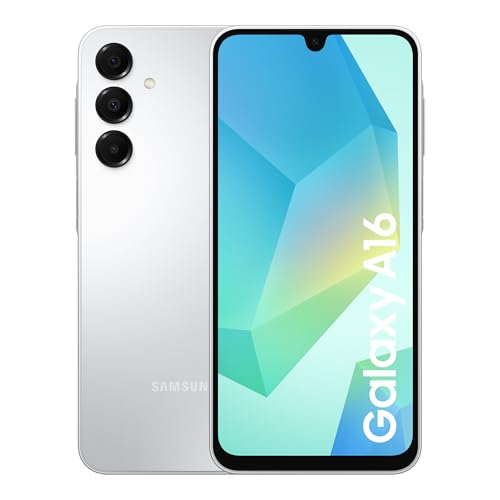
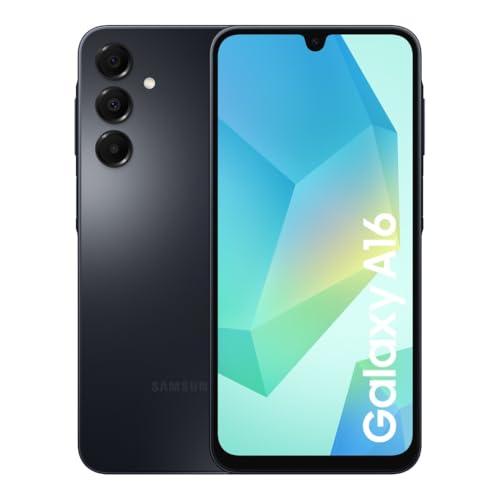
| Attribute | Nothing Current | Nothing Phone 256GB | Samsung Galaxy A16 4G | Samsung Galaxy A16 4G Android Smartphone |
|---|---|---|---|---|
| Price | Out of stock | Out of stock | £149.00 | £139.00 |
| Screen size | 6.78 inch | 6.77 inches | 6.7 Inches | 6.7 Inches |
| Refresh rate | 120 Hz | 120 Hz | 90 Hz | 90 Hz |
| RAM | 8 GB | 12 GB | 4 GB | 4 GB |
| Storage | 256 GB | 256 GB | 128 GB | 128 GB |
| Battery | 5080 mAh | 5000 mAh | 5000 | - |
| Chipset | MediaTek Dimensity 9000 | Snapdragon | - | - |
| Editorial score | 7.5/10 | 7.1/10 | 6.9/10 | 7.1/10 |
Against the XIAOMI Redmi Note 15 Pro 5G, the Nothing Phone (4a) takes the more design-led route. The Xiaomi gives you more memory and storage on paper with 12 GB RAM and 512 GB, plus a slightly larger 6.83-inch display, so it is the better pick for the buyer who wants maximum spec quantity for the money. The Nothing is the better choice if you care more about software feel, visual identity and a camera story built around telephoto reach rather than just a broader value checklist.
Against the Nothing Phone (3a) 256GB, the decision is more about whether you want the newer camera emphasis and bigger-screen personality or a safer step within the same family. The Phone (3a) candidate brings 12 GB RAM and the same 256 GB storage, which may appeal if you keep many apps open for years and want extra memory headroom. The Phone (4a) makes its case through the 50 MP OIS periscope camera, 70x zoom claim, Glyph Bar focus and the more overtly camera-led positioning. Choose the older route for a simpler internal upgrade. Choose the 4a if the camera and design are the reason you are shopping Nothing in the first place.
Compare with Compare this model This product stays fixed; add a recommended alternative or search another model in the category.
Compare with
Add a second model to activate the direct comparison.
Recommended models



No products match that filter combination.
Is the Nothing (4a) smartphone worth it?
The Nothing Phone (4a) is at its best when you want a phone that feels different without giving up the fundamentals. The big AMOLED display, distinctive design, telephoto-led camera setup, 256 GB storage and fast charging make it a convincing upper-mid-range Android for someone who wants personality as well as utility. If the current offer keeps it in sensible mid-range territory, it is an easy phone to shortlist.
I would pass if your buying decision starts and ends with maximum battery confidence or the most straightforward spec-per-pound calculation. This is not the clearest choice for ultra-heavy users, and some rivals will look tidier on a pure value spreadsheet. But for the buyer who wants a stylish daily driver with a cleaner feel and more camera ambition than the average mid-ranger, the Nothing Phone (4a) is one of the more interesting options.
FAQ
Is the Nothing Phone (4a) good enough as a main phone in 2026?
Yes. With 5G, 8 GB RAM, 256 GB storage, a large AMOLED display and fast charging, it has the right basics for everyday calling, messaging, streaming and photography.
Is the battery a strength or a compromise?
It is both. The 5080 mAh battery and 50 W charging make it practical for a full day, but this is not the safest choice if you want consistently long endurance under heavy use.
Review published on