
Nothing Phone (3a) 256GB Smartphone - Review and opinions
Ranking medal
Gold in Best value
This product is top 1 in a published dynamic ranking.
Refresh rate
Storage
Screen size
Is it worth it?
The Nothing Phone (3a) 256GB is aimed at the buyer who wants a mid-range Android that feels distinctive rather than generic, but still covers the basics properly: a large 120 Hz AMOLED display, a 5,000 mAh battery, fast charging, plenty of memory and a camera setup that goes beyond the usual token extra lens. The real trade-off is size and weight. This is a big 6.77-inch phone, and that makes it better for media, browsing and photography than for anyone who wants a compact handset.
My quick verdict is that this is a very strong buy for someone who wants a stylish everyday Android with good battery life, clean software and more camera flexibility than most phones around this level. Skip it if your priority is a small, light phone or if you want a more clearly gaming-led device. Its appeal is not raw bragging rights; it is the way the whole package lands in daily use, with the main compromise being bulk rather than obvious weakness.
| Screen size | 6.77 inches |
|---|---|
| Chipset | Snapdragon |
| RAM | 12 GB |
| Storage | 256 GB |
| Battery | 5000 mAh |
| Refresh rate | 120 Hz |
Display that suits real daily use
The 6.77-inch flexible AMOLED panel combines FHD+ resolution with a 120 Hz adaptive refresh rate and 1.07 billion colours.
That matters because this is the part of the phone you interact with constantly. It gives streaming, reading, social apps and camera previews the kind of brightness and smoothness that make a phone feel current rather than merely adequate. The downside is physical scale, not image quality.
Camera system with a real telephoto route
A 50 MP main camera with OIS is joined by a 50 MP telephoto, 8 MP ultra-wide and 32 MP front camera.
For a buyer choosing between generic mid-range phones, the telephoto lens is the standout. It gives this phone a more useful photography range for portraits and distant subjects, while the front camera keeps video calls and selfies from feeling like an afterthought. Just do not buy it expecting miracle results at the very top end of the zoom range.
Software and convenience extras
Nothing OS 3.1 runs on Android 15 and adds functional customisation, Smart Drawer, Essential Key and Essential Space.
This is where the phone separates itself from lookalike Android rivals. The interface aims for speed and clarity, and the side key adds a quick route for capturing screenshots, notes and voice ideas. If you enjoy tailoring shortcuts and keeping your home screen organised, this adds daily value beyond raw specs.
Battery life with fast top-ups
The 5,000 mAh battery is paired with 50 W charging, with a claim of a day's power in under 20 minutes.
That pairing is important because battery size alone is not enough. Here, the phone is built to last through a long day and recover quickly when you do need a charge. For heavy gaming, heat and faster drain are the price of pushing it harder.
Use evaluation
Start with the everyday routine this phone is built for: messaging, maps, music, photos and a lot of scrolling across a full day. The 6.77-inch AMOLED panel at 1080 x 2400 works out at roughly 388 ppi, which is comfortably sharp at normal viewing distance, and the 120 Hz refresh rate gives the interface a smoother, quicker feel when you are bouncing between apps. That combination matters more here than headline styling, because it makes the phone feel like a proper daily driver rather than a design piece with compromises. The catch is simple: it is a large handset, so one-handed use is not its strong suit.
Move into media and general app use and the balance stays sensible. With 12 GB of RAM, 256 GB of storage and Android 15 with Nothing OS 3.1, this is set up for the kind of daily multitasking that defines whether a phone stays pleasant after the first week. The software angle looks especially important here. The customisation tools, Smart Drawer and the new Essential Key are not just cosmetic extras; they push the phone towards people who like a cleaner, more organised Android experience. If you want a phone that feels busy or heavily branded, this is the wrong lane. If you want something fast, tidy and easy to shape around your habits, it lands well.
The camera route is where this model becomes more interesting than a lot of mid-range rivals. A 50 MP main camera with OIS, a 50 MP telephoto and an 8 MP ultra-wide gives it a more credible photography setup than the usual main-plus-filler formula, and the 32 MP front camera is a practical plus for video calls and selfies. In real use, that means more flexibility when you are taking portraits, zooming in on details or trying to avoid the flat look that cheaper secondary cameras often produce. I would still treat the extreme end of the 30x zoom as a bonus rather than the reason to buy, but the telephoto route itself is a genuine advantage.
Battery life is positioned as one of the phone's everyday strengths, and the 5,000 mAh cell with 50 W charging backs that up in a useful way. The manufacturer claims 26 hours of YouTube, 24 hours of Instagram scrolling and 45 hours of calls, while day-to-day feedback consistently points to over-a-day stamina. That makes this an easy fit for commuting, travel days and long workdays away from a plug. The trade-off is that heavier gaming can push heat and drain harder, so this is better read as a strong all-rounder than a gaming specialist.
Pros
- Distinctive design backed by a genuinely strong 120 Hz AMOLED display.
- Useful camera setup with OIS main camera, telephoto lens and a solid 32 MP front camera.
- 5,000 mAh battery and 50 W charging make it practical as a full-day phone.
- Clean, customisable Nothing OS 3.1 adds real day-to-day convenience rather than just visual flair.
Cons
- Large size makes one-handed use less comfortable than on smaller rivals.
- Heavy gaming is not its sweet spot, with more heat and faster battery drain under load.
- IP64 is helpful for splashes and dust, but this is not a rugged phone.
- The no-frills box experience may disappoint buyers expecting a charger in the package.
Community
User reviews
The recurring takeaway is that this phone wins people over by feeling faster, cleaner and better value than expected, with the screen, battery life and design doing a lot of the heavy lifting. The main caution is not a collapse in day-to-day quality, but that it is a large handset and not every software edge case lands perfectly for every setup.
I wanted something aesthetic and simple, and I love how quick, responsive and customisable the UI is.
This is my first Nothing phone and I am absolutely loving it, with a great size, great screen and cool additions to stock Android.
I love it, it feels fast, reliable and good looking.
The layout, camera, sound, screen and performance all work well for me, and it does everything I need.
Comparison
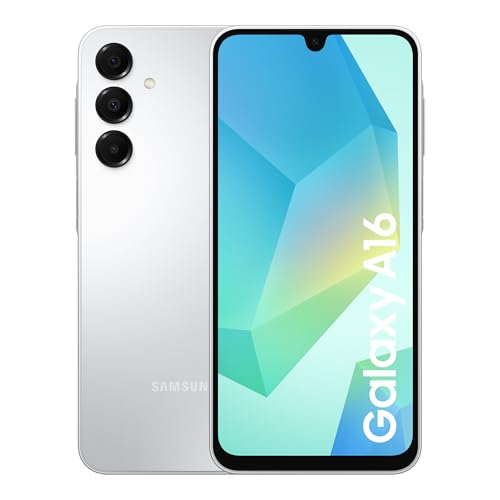
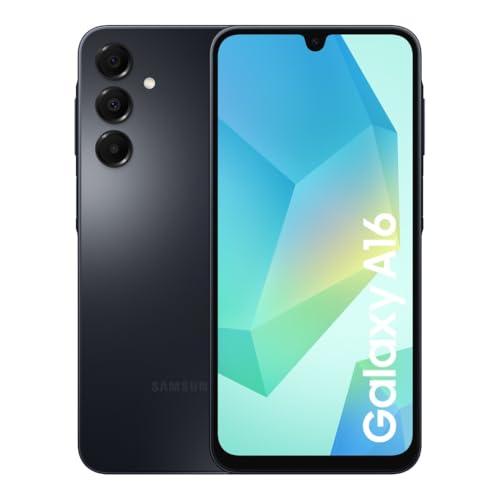
| Attribute | Nothing Phone 256GB Current | Nothing | Samsung Galaxy A16 4G | Samsung Galaxy A16 4G Android Smartphone |
|---|---|---|---|---|
| Price | Out of stock | £399.00 | £136.00 | £118.00 |
| Screen size | 6.77 inches | 6.78 inch | 6.7 Inches | 6.7 Inches |
| Refresh rate | 120 Hz | 120 Hz | 90 Hz | 90 Hz |
| RAM | 12 GB | 8 GB | 4 GB | 4 GB |
| Storage | 256 GB | 256 GB | 128 GB | 128 GB |
| Battery | 5000 mAh | 5080 mAh | 5000 | - |
| Chipset | Snapdragon | MediaTek Dimensity 9000 | - | - |
| Editorial score | 7.1/10 | 7.5/10 | 6.9/10 | 7.1/10 |
Against a typical Samsung Galaxy A-series or Google Pixel A-series alternative, the Nothing Phone (3a) stands out less for raw brand reassurance and more for character. The design, glyph lighting, customisable Nothing OS and telephoto camera give it a stronger sense of identity than many safe mid-range choices. If you want a phone that feels different without sacrificing the basics, this route makes sense. If you want the most familiar ecosystem and broadest mainstream support, the safer big-brand lane still has appeal.
Compared with cheaper budget Android phones, this model earns its place by avoiding the usual weak points. You are getting 12 GB RAM, 256 GB storage, a 120 Hz AMOLED display, a telephoto camera and long software support, which shifts it from bargain-bin value into proper daily-driver territory. On the other hand, if your needs stop at calls, messaging and light apps, a cheaper handset will cover the essentials and save money. This one is for buyers who will actually use the better screen, extra storage and more flexible camera system.
Compare with Compare this model This product stays fixed; add a recommended alternative or search another model in the category.
Compare with
Add a second model to activate the direct comparison.
Recommended models



No products match that filter combination.
Is the Nothing Phone (3a) 256GB worth it?
The Nothing Phone (3a) 256GB gets the important things right for a modern mid-range smartphone: a sharp and smooth AMOLED display, enough memory to stay comfortable, a battery that can handle a long day, fast charging and a camera system with a telephoto lens that actually changes what you can shoot. If you want a stylish Android that feels fresh without becoming awkward to live with, this is one of the more convincing options in its class. Check the current offer, because its value case becomes even stronger when discounted.
I would skip it if your priorities are compact size, long gaming sessions or a more conventional mainstream phone experience. This is not the best fit for buyers who want the smallest possible handset or who measure everything by gaming stamina. For everyone else, the trade-off is easy to read: you accept a bigger body in exchange for a richer screen, better camera flexibility and a more distinctive daily experience.
FAQ
Is this a good primary phone for 2026?
Yes. Android 15, 12 GB RAM, 256 GB storage, a 120 Hz AMOLED display and long software support make it well suited as a main phone rather than a stopgap device.
Is the camera a real reason to buy it?
Yes, especially the telephoto setup. The 50 MP main camera with OIS and 50 MP telephoto give it a more convincing camera route than many mid-range phones, even if the highest zoom levels are not the main attraction.
Review published on